Compliance
The 2 mL rule in practice: what TPD compliance actually requires
Last updated By Edward, Export sales
"TPD compliant" is printed on a great many cartons that are not. The rule itself is short — a 2 mL tank, a 20 mg/mL ceiling, a health warning, a leaflet — but the way a device is built decides whether it passes, and that decision is made in the mould, months before anyone reads the label. This page goes through the five requirements in the order they are usually got wrong.
1. The tank: 2 mL by design, not by plug
The capacity limit applies to the device as supplied, refillable or not. A 5 mL tank with a plastic insert that reduces usable volume to 2 mL is the most common workaround, and it is the one that fails inspection: the insert can be removed without tools, so the device can hold 5 mL. The compliant build is a 2 mL mould — the tank cannot physically hold more.
This is why Stratovape-085 and Stratovape-001 exist as separate models rather than as a restricted version of a bigger device. The tank is the constraint, so the tank is the design.
2. Strength: 20 mg/mL is a ceiling, not a target
Nicotine concentration is capped at 20 mg/mL in the EU and UK. Filling below the cap is allowed and sometimes sensible; filling above it, even for a market that permits 50 mg/mL, produces a device that cannot be sold in the market it was labelled for. Strength is set at order, which means the same model can serve both — but the label, the batch record and the notification have to agree with the fill.
3. The warning panel: the text is specified, the language is not optional
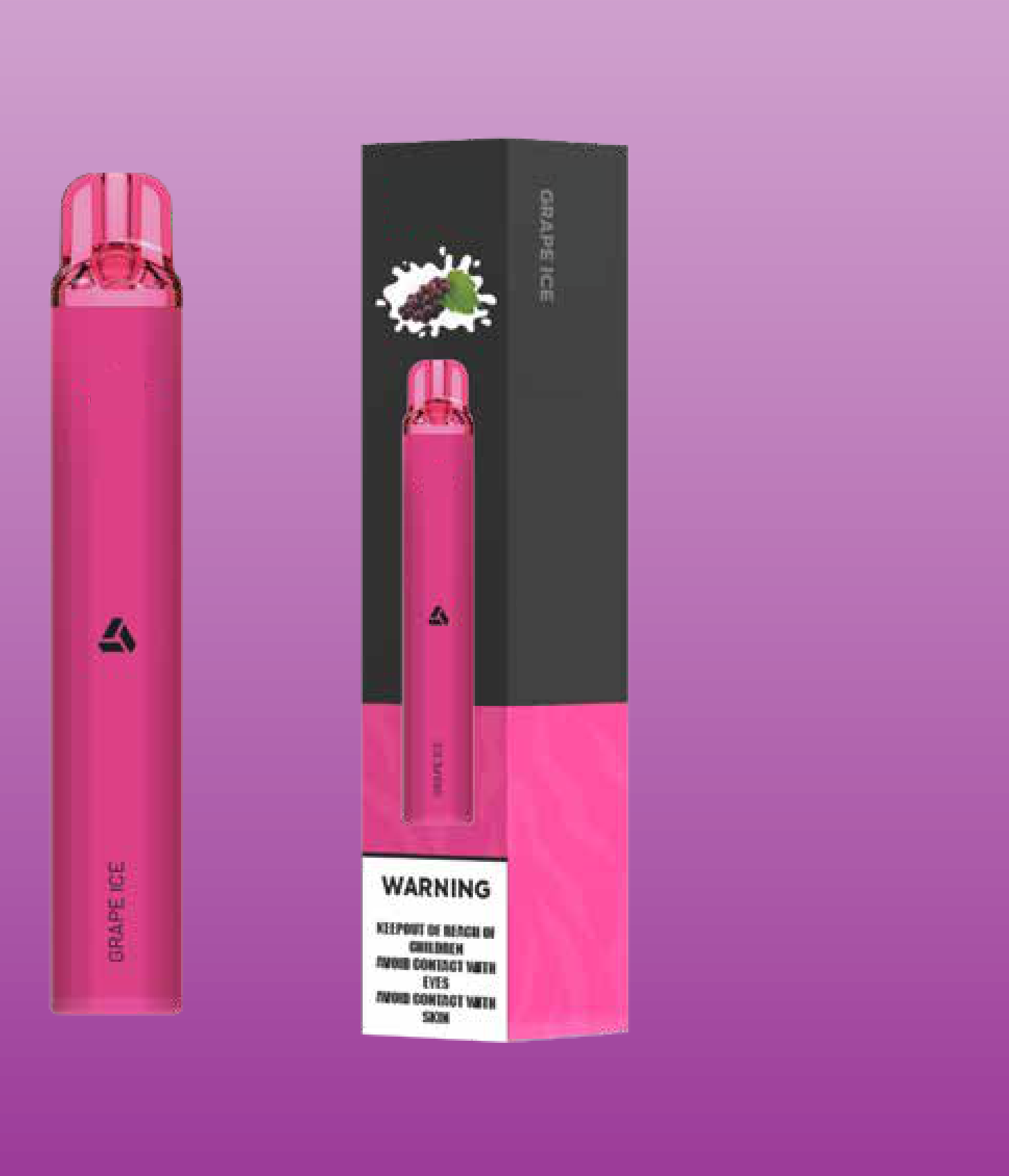
The health warning has a required wording and a required proportion of the pack surface. Two failures recur: a warning translated by machine and not checked, and a warning that is present but too small once the retail carton is folded. We proof the panel against the destination before plates are cut, and we will not print an abbreviated warning because a design looks cleaner without it.
4. Emissions and toxicological data: the part that takes longest
Notification requires a emissions test — carbonyls, metals, and the rest of the analyte list — run on the finished device with the finished liquid, plus a toxicological assessment of the formulation. It is not a document a factory can produce in a week, and it is specific to the liquid and the coil, not to the model name. If you change the flavour or the resistance, the data does not automatically follow.
We supply emissions and toxicological data for the 2 mL line on request. For a private-label flavour, the test runs on your formulation, which is why a new flavour adds time to a first order rather than to a repeat.
5. Notification: yours, not ours
The product notification is submitted by the entity placing the product on the market — the brand owner — in each country, before the product is sold. A factory cannot do it on your behalf, because the factory is not the economic operator. What a factory can do is hand over a complete technical file so that the notification is a filing exercise rather than a research project.
The four failures we see most often
| Failure | Why it happens | Cost |
|---|---|---|
| Removable capacity insert | Reusing a larger tank mould to save tooling | Whole shipment rejected at inspection |
| Warning too small after folding | Artwork approved flat, printed folded | Reprint of every carton |
| Emissions data for a different liquid | Test run on a stock flavour, shipped with a custom one | Notification refused; product cannot be sold |
| Strength on label ≠ strength in tank | Fill line set to a default, label set to the order | Recall, and a batch record that proves it |
What this means for a first order
- Choose the compliant model first. In the EU and UK that is the 2 mL line; eight of our twelve models cannot be sold there regardless of labelling.
- Fix the flavour before the emissions test. Changing flavour after the test means paying for it twice.
- Approve artwork folded, not flat. Ask for a printed dummy of the retail carton, not a PDF.
- Start the notification as soon as the technical file is complete. It is the long pole in the launch, not production.
This is a buyer's summary, not legal advice. Requirements differ by country and change. Confirm the current rules with your regulatory consultant or the competent authority in the market you are entering, and treat this page as a checklist of what to ask your supplier for.
Sources
Every requirement on this page comes from the legislation itself, not from a distributor's summary:
- Directive 2014/40/EU (EUR-Lex) — Article 20 governs electronic cigarettes: tank size, nicotine ceiling, labelling and notification.
- The Tobacco and Related Products Regulations 2016, No. 507 (legislation.gov.uk) — the UK transposition; Part 6 covers electronic cigarettes.
- E-cigarettes: regulations for consumer products (MHRA, GOV.UK) — how the notification scheme is run in practice.
External links open the publisher's page; we do not control its content.
Ask for the technical file index
Send the destination country. We return the list of documents that market requires, which of them we already hold and which have to be generated for your SKU.